The Night QR Codes Made People Lose Their Minds
A Charlotte gallery event in 2011 showed me what happens when technology serves the story — and why the best innovations are the ones nobody has to explain twice.
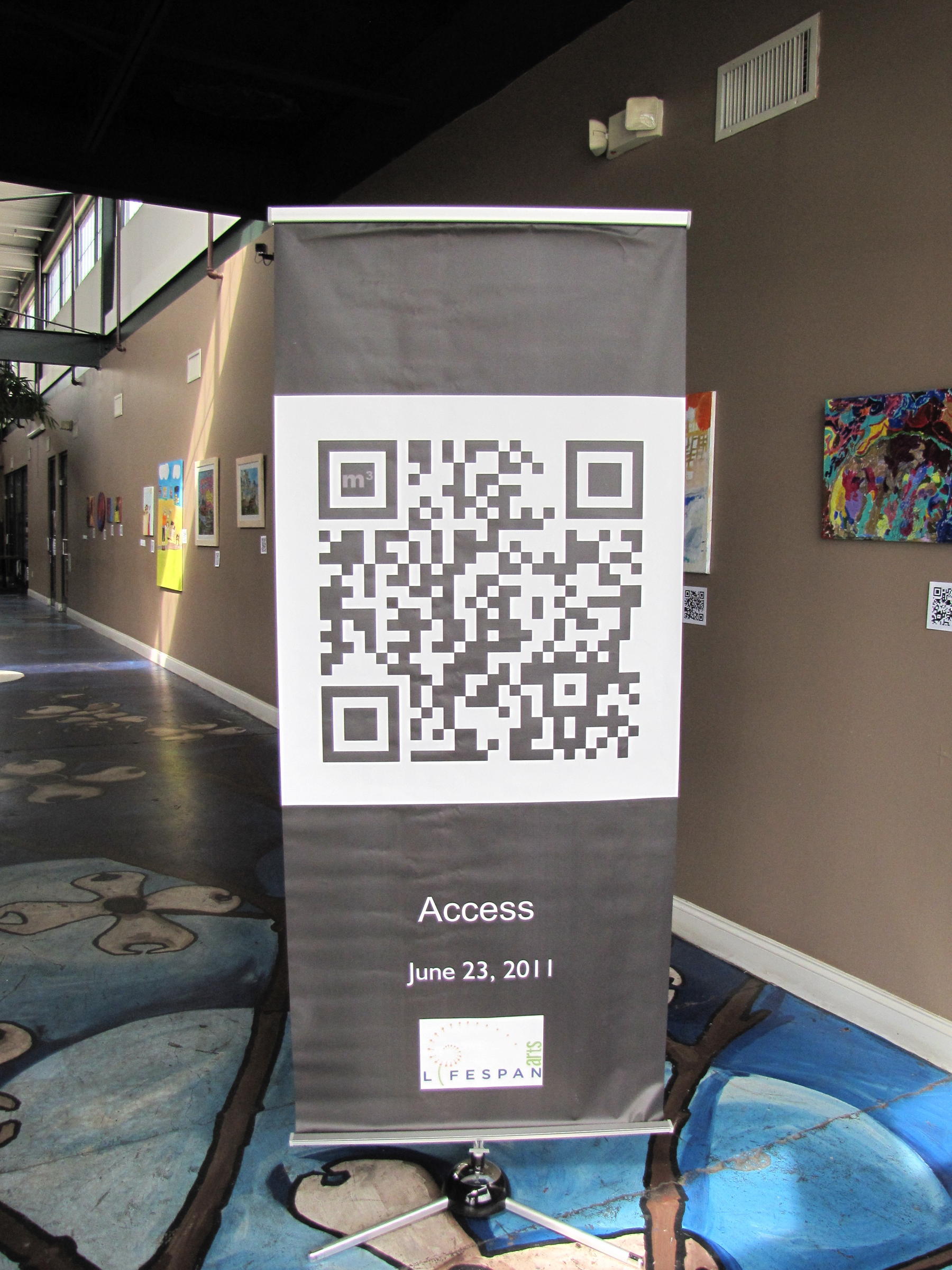
Have you ever had a time when you woke up in the morning and just thought to yourself, I have reached the pinnacle?
I did. Let me tell you about it.
I had a client who was having an art exhibition as a fundraiser, featuring several different artists and lots of their work. It was a big annual event for them — Lifespan Arts, based in Charlotte. They wanted something different for this year. Something that would make people talk.
My idea was to bring QR code marketing into the gallery. Not as a gimmick.
As the experience.
Picture this: artwork all over the walls — colorful, vibrant pieces from multiple artists. And beside each painting, a small QR code. That was it. No placard describing the work. No price tag. No artist bio printed on cardstock.
Just the art and a code.
When you scanned that code, a beautifully designed mobile page appeared on your phone. The artwork you were standing in front of. The inspiration behind it — the story the artist wanted you to know. Their name, their background. And a "Buy Now" button.
You could purchase the painting right there, standing in front of it, imagining it on the wall in your house. No desk. No line. No awkward "excuse me, how much is the one with the birds?" moment. Just you, the art, and a story delivered to your hand.
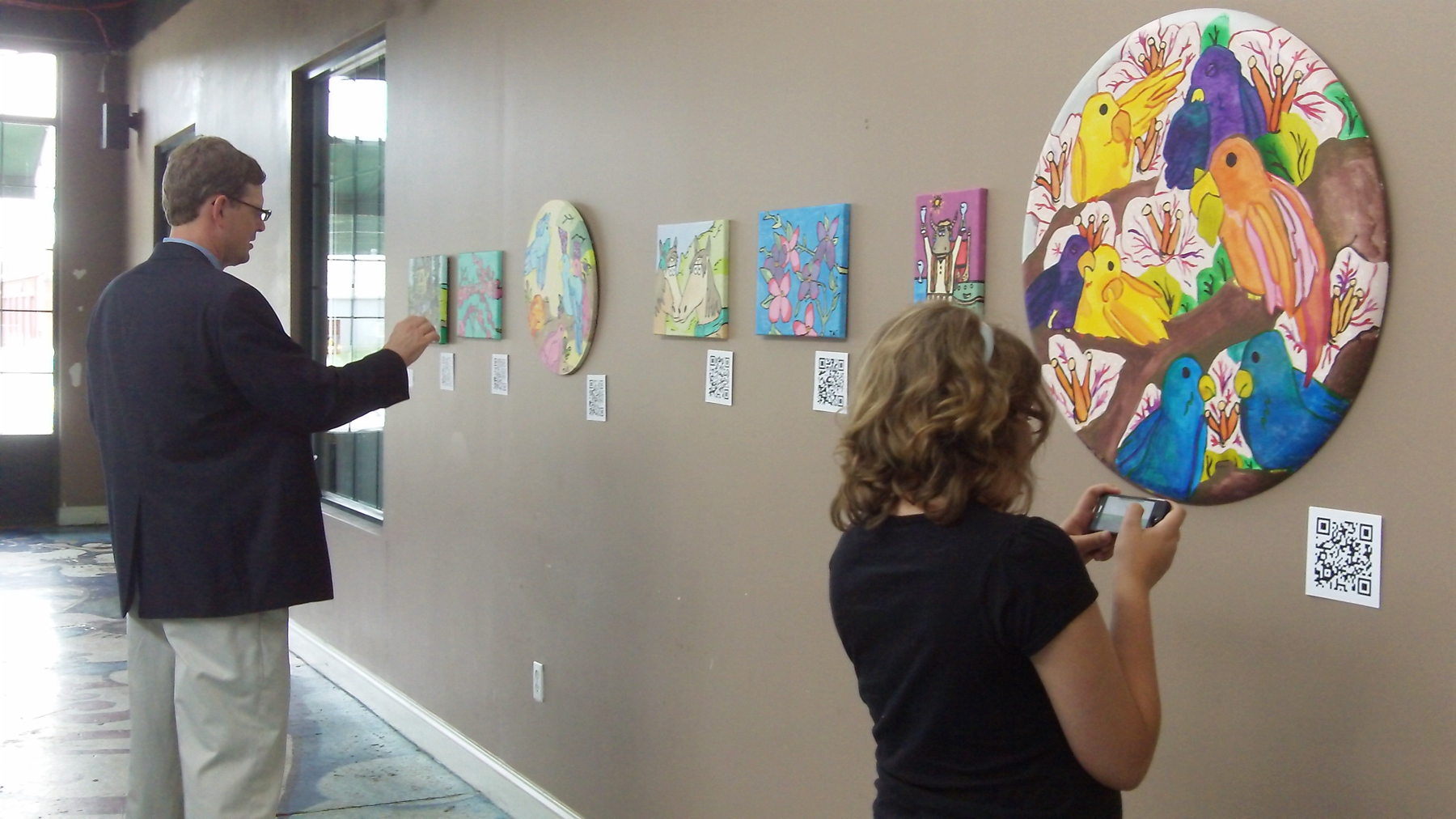
People were losing their minds. They'd never seen anything like it.
From a marketing perspective, we could track how many people scanned and how many people purchased. That was powerful data for a fundraiser — knowing exactly which pieces drew attention, which stories resonated enough to trigger a sale, and where people lingered versus walked past.
But honestly? The data wasn't the best part.
The best part was watching people's faces when they realized what was happening. That the experience they were walking around — this thing they could take part in — was something entirely new to them. The delight of it. The surprise.
That was the real payoff.
The high of showing someone something that changes how they see what's possible. Priceless.
That morning after the event, I really felt like my visionary capabilities had been confirmed in full force. The vehicle I used may seem so outdated now, but at the time it was cutting edge, and it felt so good to be in that spot.
I desperately wanted to keep repeating that feeling. How could I achieve the next breakthrough? When you have an entrepreneurial spirit, those feelings can become a bit addictive.
(Tell me about it, Fran.)
The technology that night wasn't the point. The experience was. I didn't walk into that gallery and say "let me show you what QR codes can do." I asked, "what if someone could buy a painting while they're still falling in love with it?" The tool followed the insight. If you're an owner-operator trying to figure out where AI fits into your business, start with the same question: what experience do you want your customer to have? The technology will follow.
Here's the part of the story that doesn't make the highlight reel.
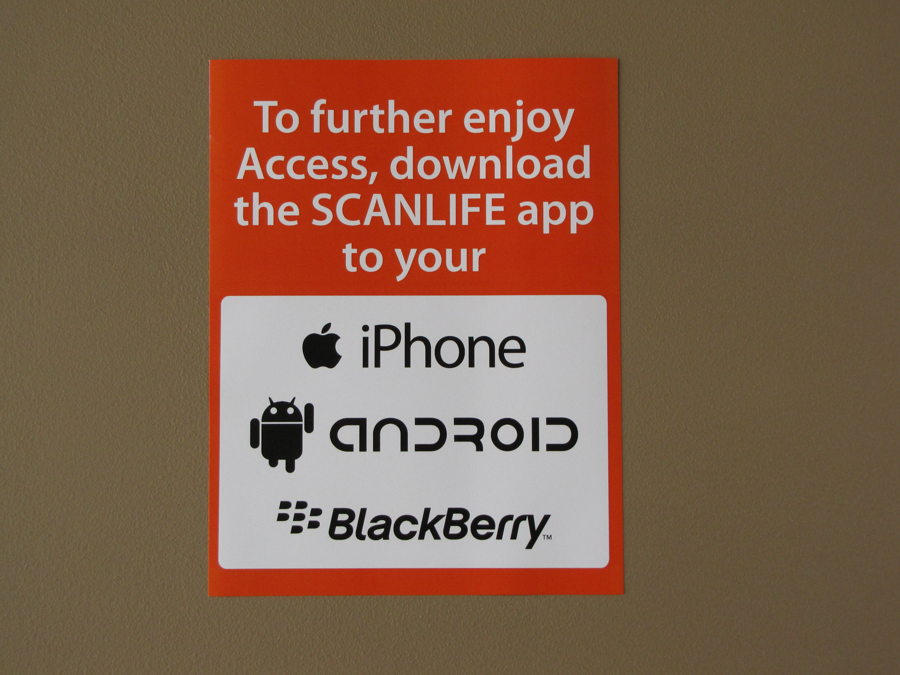
In 2011, scanning a QR code required downloading a separate app. We had a sign at the entrance telling people to get SCANLIFE on their iPhone, Android, or BlackBerry.
Yes. BlackBerry. That's how long ago this was.
And then QR codes died.
People were scanning codes that took them to malware, and there was the hurdle of needing that separate app. The trust was gone. I wish I could find a blog post from about 2012 where a panelist at an event declared QR codes were dead, and I argued why I believed they were wrong.
I was right. But it took a pandemic and phones building QR readers in natively to prove it.
Sometimes being right is a very long game.
Did I do other gallery events like that? No. That was a one-and-done at that scale. Did I use QR codes after that? Most definitely. I would have decals printed for clients to put at the front of their stores so that people could scan and go to a website after hours, see the latest promotion in a restaurant, become a frequent customer, earn loyalty points.
It was a fun time.
I think about that gallery night a lot, especially now.
Because the feeling I'm chasing today with AI workflows — that moment when a small business owner sees a process click into place and says "wait, it can do that?" — it's the same feeling. Exactly the same feeling.
Different technology. Same principle. Start with what the person needs. Design the experience around their moment of realization. Let the technology be invisible.
The QR code wasn't the star of that evening. The paintings were. The stories were. The fact that someone could stand in front of art, feel something, and act on that feeling without friction —
That was the design.
That's what I'm still doing. The tools change. The principle doesn't.
Different technology. Same principle. Start with what the person needs.
QR Code Generator
Create professional, branded QR codes for your small business — free, private, no signup.
Nearly thirty years into building for the web, I've learned that the technology is never the story. It's the enabler. The story is always the person standing in front of something beautiful, suddenly realizing they can reach out and touch it.
That hasn't changed since 1997.
I don't think it ever will.